By Dr Avery Tan, PURE NZ Dental
15th August 2024
Orthodontic treatment focuses on diagnosing, preventing, and correcting misaligned teeth and jaws. This improves the overall aesthetic appearance of a smile and also plays a crucial role in enhancing oral health and overall function.
Misalignment, also known as malocclusion, can lead to various issues, including difficulties with biting and chewing, increased wear on teeth, and a heightened risk of gum disease.
Orthodontic solutions, such as braces and aligners, utilize gentle pressure to shift teeth into their optimal positions. With advancements in technology and materials, today’s orthodontic treatments such as Invisalign are more comfortable, efficient, and discreet than ever before.
By addressing these dental concerns, you can achieve not just a straighter smile but also a healthier mouth and improved confidence.
At the end of orthodontic treatment, retainers are usually fabricated to hold teeth in their new position to prevent them from drifting back into their original position. These retainers will have to be worn long term.
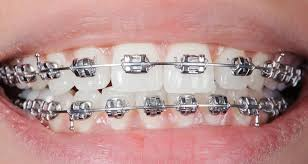
Traditional metal braces consist of several key components to apply controlled pressure to shift teeth over time, gradually moving them into the desired position. Here’s how they work:
Brackets: Small metal or ceramic attachments are bonded to the front surfaces of the teeth. These brackets serve as anchors and hold the archwire in place.
Archwire: A thin metal wire is threaded through the brackets. The archwire exerts pressure on the brackets, which in turn applies force to the teeth.
Bands: In some cases, metal bands may be placed around the back teeth to provide additional anchorage for the appliances. These bands are cemented onto the teeth and can help stabilize the brackets during the treatment.
Adjustments: Throughout the treatment process, regular appointments are scheduled to adjust the archwire and other components. These adjustments are critical for directing the teeth as they move and ensuring consistent progress toward the treatment goals.
Fixed appliances are effective for correcting various dental issues, including overcrowding, gaps, overbites, underbites, and crossbites. The duration of treatment can vary based on individual needs, but with proper care and regular orthodontic visits, patients can achieve a well-aligned, functional, and beautiful smile.
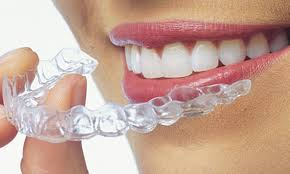
Here’s how clear aligners work:
Consultation and Treatment Plan: The dentist will first examine your teeth and create a customized treatment plan. This involves taking impressions, X-rays, and photographs of your teeth and mouth.
3D Modeling: A 3D model of your teeth is then created based on the information gathered. Using specialized software, the dentist will plan the movement of your teeth throughout the treatment process.
Custom Aligners: Based on the treatment plan, a series of custom-made clear plastic aligners are created specifically for your teeth. Each aligner is slightly different from the previous one to gradually move your teeth into the desired position.
Wearing the Aligners: You will be instructed to wear each set of aligners for about 20-22 hours a day, removing them only to eat, drink (except water), brush, and floss.
Gradual Tooth Movement: As you progress through each set of aligners, your teeth will gradually shift into the desired position.
Monitoring Progress: You will have periodic check-ups with your dentist to monitor your progress and ensure that your treatment is on track. Adjustments may be made to your treatment plan if needed.
Completion and Retention: Once you have gone through all the sets of aligners and achieved the desired results, your dentist may recommend a retainer to maintain the new position of your teeth to prevent them from shifting back to their original position.
Clear aligners and traditional metal braces are both effective orthodontic treatments for straightening teeth and correcting bite issues. Here are some of the main differences between clear aligners and traditional metal braces:
Clear Aligners: Clear aligners are virtually invisible when worn, making them a popular choice for those who want a more discreet orthodontic treatment option.
Traditional Metal Braces: Traditional metal braces are more noticeable due to the metal brackets and wires that are attached to the front of the teeth.
Clear Aligners: Clear aligners are made of smooth plastic material, which is more comfortable to wear and less likely to cause irritation to the cheeks and gums.
Traditional Metal Braces: The metal brackets and wires of traditional braces can sometimes cause discomfort, irritation, and even sores in the mouth.
Clear Aligners: Clear aligners involve a series of custom-made trays that are changed every few weeks to gradually move the teeth into the desired position. Regular check-ups with the dentist are needed to monitor progress.
Traditional Metal Braces: Traditional braces in Singapore generally use metal brackets and wires that are adjusted periodically by the dentist to move the teeth. The treatment duration may vary depending on the complexity of the case.
Both clear aligners and traditional metal braces are effective in straightening teeth and correcting bite issues. The choice between the two options may depend on the individual’s complexity of condition, lifestyle preferences, and aesthetic concerns. Your dentist will recommend the appliance that would be more suitable for you.
Aligners usually cost more than fixed braces as they are custom-made to suit each patient, so manufacturing costs are higher than for braces.
At pure NZ dental, the cost of metal braces starts from $5000 and the cost of Invisalign starts from $6500. Retainers cost $250 per arch.
Orthodontic treatment, whether using clear aligners such as Invisalign or traditional metal braces, is generally considered safe and effective. However, like any dental procedure, there are some risks and potential complications associated with orthodontic treatment.
Tooth Decay and Gum Disease: It can be more challenging to clean around brackets, wires, and aligners. Poor oral hygiene can lead to plaque buildup, which increases the risk of tooth decay and gum disease.
Root Resorption: In some cases, the roots of the teeth may shorten (root resorption) as a result of orthodontic treatment. This is a rare complication but can lead to tooth mobility and in severe cases, tooth loss.
Soft Tissue Irritation: The brackets, wires, or edges of aligners can sometimes irritate the soft tissues in the mouth, leading to discomfort, sores, or ulcers.
Temporomandibular Joint (TMJ) Issues: In some cases, orthodontic treatment may exacerbate existing TMJ issues or lead to new temporomandibular joint problems, causing jaw pain, clicking, or limited movement.
Relapse: After completing orthodontic treatment, there is a risk of relapse, where the teeth may shift back to their original positions over time if retainers are not worn as prescribed.
Sensitivity and Discomfort: Some individuals may experience temporary sensitivity or discomfort during orthodontic treatment, especially after adjustments or when switching to a new set of aligners.
Orthodontic treatment aims to improve the aesthetic appearance of a smile but also plays a crucial role in enhancing oral health and overall function.
At Pure NZ Dental clinic, we have the expertise and professionalism to provide traditional braces or Invisalign treatments. Contact our clinic at Bukit Timah, near to the Beauty World MRT Station at +65 64630257 or info@purenzdental.com to get a detailed price list of our services.
Schedule an appointment with our dentist today for a consultation!